Silhouette of Cowboy Riding Horse in Wil – A Designer’s Take
As an embroidery designer with years of experience, I’m always evaluating new design assets for their real-world usability. The Silhouette of Cowboy Riding Horse in Wil caught my eye not just for its aesthetic but for how it might translate into a finished product. Let me walk you through my process as I consider this design for use in custom apparel and handmade gifts.
First Impressions: Clean, Modern, and Versatile
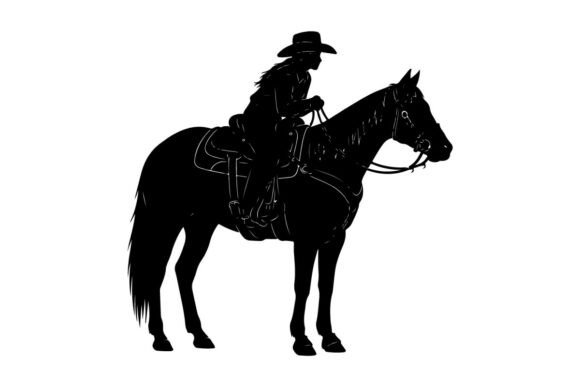
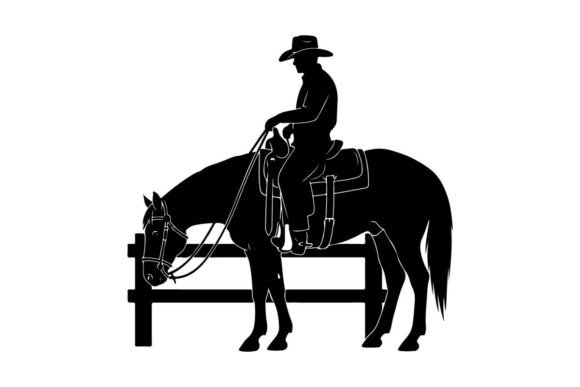
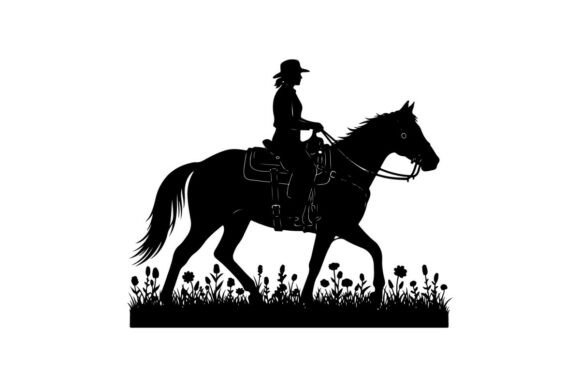
The Silhouette of Cowboy Riding Horse in Wil is a minimalistic illustration that speaks volumes without being over the top. It has a crisp, almost line-drawing quality that feels both contemporary and timeless. The cowboy riding his horse is rendered in smooth, flowing lines—no unnecessary details, no clutter. This makes it ideal for projects where subtlety and elegance are key. It evokes a sense of nostalgia mixed with modern design sensibility, which is a powerful combo in today’s craft market.
Visually, the layout is balanced and symmetrical. The figure is centered with enough negative space around it to let the silhouette breathe. This kind of composition is great for creating focal points on garments or accessories. Whether you're looking to make a bold statement or keep things understated, this design offers flexibility. Its personality leans toward classic Americana with a touch of refinement, making it suitable for a wide range of audiences—from Western-themed baby clothes to boutique-style sweatshirts.
Real-Life Embroidery Use Cases
Let’s say I'm working on a custom embroidered tote bag for a client who runs a small lifestyle brand focused on casual, minimalist fashion. The Silhouette of Cowboy Riding Horse in Wil would be perfect here. It's subtle enough to pair with soft pastel colors yet strong enough to stand out when stitched in black or deep navy. The simplicity of the design allows it to scale well across different sizes, so whether it's a large front pocket graphic or a smaller back emblem, it retains clarity and charm.
I also see this design working beautifully on sweatshirts, especially if you're going for a retro-inspired look. The clean lines would stitch neatly with a satin stitch outline, giving it a polished appearance without overwhelming the fabric. For personalized gifts, such as holiday cards or embroidered ornaments, the cowboy silhouette could serve as a central motif, paired with simple text or other flat graphics.
On handmade products like aprons or pillow covers, the design adds a touch of character without becoming too busy. It’s particularly effective in craft business branding because it conveys a sense of authenticity and style. As an Etsy seller, I’d consider using it as part of a cohesive collection of illustrations, perhaps alongside other Western-themed motifs like cacti or campfires.
Design Assets That Work Hard
This isn’t just another clip art file—it’s a machine embroidery design that can elevate your digital embroidery file offerings. The lack of intricate detail means it won’t get lost in translation when converted from vector to stitch. It stitches smoothly, even at medium sizes, and maintains its integrity across different types of embroidery machines, provided the hoop size and thread tension are adjusted correctly.
One thing I appreciate is how the design lends itself to applique techniques. You can stitch it with contrasting thread colors to create dimension or use a single color for a monochrome effect. Both options work well depending on the fabric texture and the overall theme of the project.
Where to Use With Care
While this design is versatile, there are some scenarios where caution is needed. For example, using it on textured fabrics like denim or flannel may cause the stitches to sit unevenly, affecting the visual appeal. Similarly, on thin or stretchy materials, the design might distort slightly during stitching unless proper stabilizer is used and the tension is dialed in.
Dark fabric backgrounds could mute the contrast of the silhouette, so it’s wise to test thread colors beforehand. If you’re planning to embroider on a cap or curved surface, be mindful of the curvature impacting the shape—especially if the design is larger than 4x4 inches. In these cases, breaking the design into smaller sections or adjusting the placement can help maintain its sharpness.
Also, when considering commercial embroidery for items like kitchen towels or nursery decor, keep in mind that frequent washing can affect the longevity of delicate silhouettes. Using high-quality threads and reinforcing the design with a light backing stitch or underlay can help preserve its crisp look over time.
Visual Appeal and Customer Trust
In terms of visual appeal, the Silhouette of Cowboy Riding Horse in Wil is a winner. It brings a refined edge to any project, and customers tend to respond well to designs that feel intentional and elegant. As a designer, I know that a well-chosen illustration can significantly enhance the product value and perceived quality of a handmade product.
When it comes to customer trust, consistency is everything. If you're selling small shop products or Embroidered patches, having a design that looks professional after stitching builds credibility. The clean lines and structured form of this silhouette contribute to a more mature and trustworthy brand image, which is crucial for creative entrepreneurs and craft fair sellers.
Practical Design Notes From the Field
- Test on scrap fabric first: Before committing to a final product, run a sample to see how the design behaves with your machine settings and fabric choice.
- Check thread color contrast: Ensure the thread stands out against the background fabric. Consider using metallic or variegated threads for added depth.
- Review stitch density: Adjust fill and running stitches to match the fabric type. Too dense and it may pucker; too sparse and it may look unfinished.
- Confirm hoop size: If the design is large, check if your hoop can accommodate it without distortion.
- Inspect small details: Even though it’s a minimal design, ensure that all elements (like the rider’s hat or stirrups) stitch clearly and evenly.
- Test in black and white mockups: This helps visualize how the design will appear in grayscale or on dark-colored items.
- Compare light and dark backgrounds: Try the design on both to determine optimal placement and thread color choices.
- Use proper stabilizer: Especially on stretchy or thin fabrics, a good stabilizer ensures the design stays intact and doesn’t warp.
- Confirm licensing before selling: Always verify that the design is licensed for commercial use if you plan to sell finished products or include it in printable mockups for your digital product previews.
Final Thoughts for Makers and Merchants
The Silhouette of Cowboy Riding Horse in Wil is a thoughtful addition to any embroidery project toolkit. Its versatility and clean execution allow it to adapt to various applications while maintaining a strong visual identity. It’s not flashy, but it carries a quiet confidence that can set your handmade products apart in a crowded market.
For apparel decorators, this design fits well within a capsule collection of Western-themed Graphics. For holiday gift makers, it’s a charming way to add seasonal flair without going overboard. And for small business owners or branding-focused Etsy sellers, it can become a signature element that reinforces brand consistency and recognition.
What matters most is how you apply it. Treat it as a foundational illustration rather than a decorative accent. Let it speak for itself, and don’t overwhelm it with additional elements. When done right, it becomes a memorable part of the embroidered patch or tote bag design, adding character and professionalism to your finished product.
Remember, every embroidery file tells a story—but only if you take the time to understand its strengths and limitations. The Silhouette of Cowboy Riding Horse in Wil does that well. Now it’s up to you to bring it to life on fabric, in the right context and with the right care.