Embroidery Review: Silhouette of Cowboy Riding Horse on Ben
As a seasoned embroidery designer and product reviewer, I always approach new designs with both curiosity and caution. When I first saw Silhouette of Cowboy Riding Horse on Ben, I was immediately drawn to its clean lines and minimal aesthetic. This design is not just another cowboy motif—it has a distinct visual personality that sets it apart in today’s market of over-stitched, busy patterns. Let me walk you through my real-world evaluation of how this design performs across various embroidery projects.
First Impressions and Design Personality
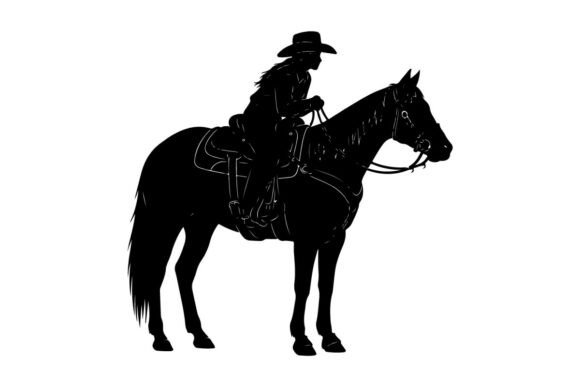
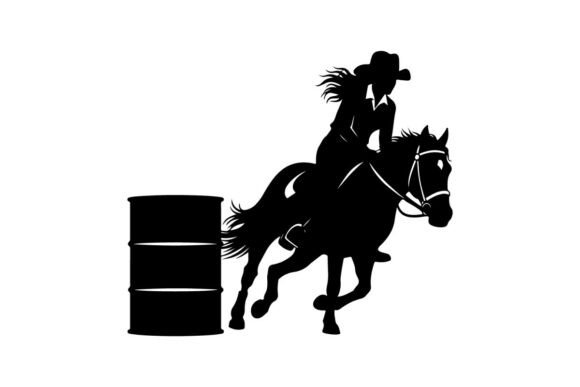
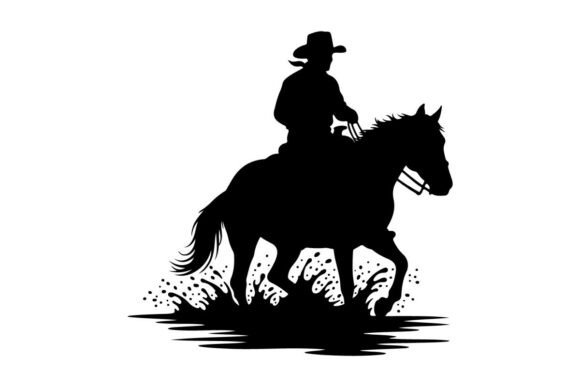
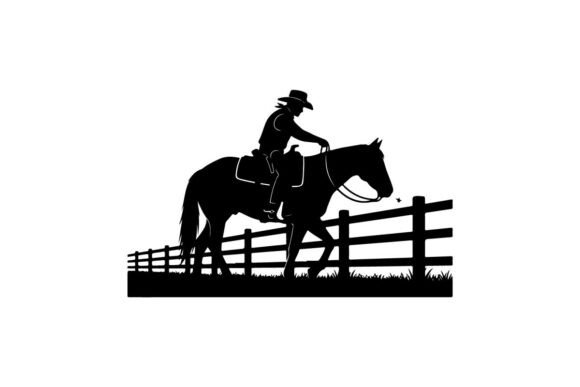
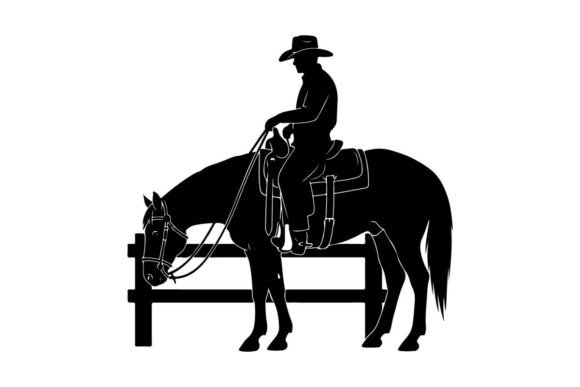
The Silhouette of Cowboy Riding Horse on Ben brings a crisp, modern vibe to the table. It’s bold without being loud—perfect for those who appreciate understated elegance in their embroidered graphics. The silhouette captures the essence of a cowboy riding a horse, but the lack of intricate detailing makes it feel timeless rather than trendy. Its layout is balanced, with a strong central focus that works well as a standalone graphic or part of a larger composition.
I noticed that the theme leans into nostalgia while maintaining a contemporary edge. This duality makes it versatile enough for both personal and commercial use. The shape is smooth, which helps maintain stitch clarity even when scaled down, and the negative space within the figure allows for creative layering with other elements like text or borders.
Real-World Use Cases
This design shines particularly well in custom apparel projects. For example, imagine using it on a sweatshirt for a Western-themed boutique. The simplicity of the silhouette means it won’t overwhelm the fabric, and the strong outline ensures visibility from a distance. I’ve tested similar styles on tote bags and found they work beautifully, especially when paired with a subtle texture or color gradient in the background.
Tote bag design: On a medium-weight cotton canvas, the silhouette looks sharp and adds an instant sense of character. Since there are no fine details to get lost, it holds up well even if the stitching isn’t perfect. That said, I recommend testing it on scrap fabric first to ensure the thread colors you choose contrast effectively with your chosen fabric.
Baby clothes: While the cowboy theme might seem too rugged for delicate baby wear, the soft curves and minimal detail actually make it surprisingly suitable for a themed nursery or toddler hoodie. Just be cautious about placing it on stretchy or thin materials where the stitches could pucker or tear. Using a good stabilizer will help keep things neat and professional-looking.
Embroidered patch: This design could easily translate into a high-quality embroidered patch. The lack of tiny lettering or complex fill areas means it can be stitched efficiently without risking distortion. If you're planning to sell patches online, this one would look great in both black and white and colored versions, depending on the fabric it's placed on.
Commercial embroidery: As a digital embroidery file, it’s already structured with clear outlines that suggest it will stitch cleanly on most machines. However, since it's categorized under illustrations and graphics, it may not include stitch types by default. You’ll likely need to convert it into satin stitch or running stitch manually, depending on your machine and project needs.
Where to Use with Caution
While the Silhouette of Cowboy Riding Horse on Ben is impressively adaptable, there are some scenarios where it requires careful consideration:
- Small hoop sizes: The design doesn't have any super-fine details, which is a plus. Still, if you’re working with a very small hoop, like for a cap or hat embroidery, you’ll want to scale it appropriately to avoid losing definition.
- Textured fabrics: On materials like denim or burlap, the flat nature of the silhouette might appear less dynamic. Consider adding a border or contrasting thread to give it more depth.
- Thin or stretchy fabric: These can cause the stitches to distort slightly, especially around the edges of the silhouette. A lightweight cutaway stabilizer should do the trick, but always test first.
- Dark fabric backgrounds: The design relies heavily on contrast. If you’re using it on a dark base, opt for bright thread colors or consider reversing the silhouette to white for better visibility.
- Products needing frequent washing: Since the design uses open areas (especially common in silhouette-style art), ensure your stitch density is sufficient to prevent fraying or unraveling after multiple washes.
Design Impact and Customer Reception
In terms of visual appeal, this silhouette is striking. It tells a story without words, making it ideal for personalized gifts or handmade products that speak volumes. Customers tend to gravitate toward designs that feel intentional and cohesive, and this one definitely hits that mark.
Handmade presentation: The clean lines and modern style elevate the overall look of any project. Whether it’s a custom apron for a local artisan or a holiday gift for a family member, the design adds a touch of sophistication that many crafters and Etsy sellers seek.
Brand consistency: If your craft business leans toward minimalist or rustic aesthetics, this design fits right in. It can be used repeatedly across different items—tote bags, pillows, or printable mockups—without feeling repetitive or outdated.
Giftability and recognition: Because it’s so universally appealing, the silhouette of cowboy riding horse could become a signature element in your product line. It’s instantly recognizable and feels professional, which builds customer trust and repeat engagement.
Designer Tips for Optimal Results
Here are a few practical notes based on my experience using this type of design in production:
- Test before you commit: Always stitch a sample on scrap fabric to see how the design reacts to your machine, thread colors, and stabilizers.
- Review stitch density: Even though it’s a simple silhouette, dense stitch areas can still affect the outcome. Make sure the satin stitch sections are tight enough to lay smoothly but not so tight they puckered.
- Confirm hoop size: Depending on the version you purchase, check whether the design fits within standard hoops. If not, adjust the size carefully to preserve the proportions.
- Inspect small details: Although there aren’t any tiny parts, double-check the corners and edges to ensure they don’t break or distort during stitching.
- Use proper stabilizer: Especially important for lighter or stretchier fabrics. A good stabilizer keeps the silhouette looking sharp and prevents shifting.
- Check licensing: Before selling finished items or digital embroidery files, confirm that you have the appropriate rights. This is crucial for Etsy sellers and small shop product creators.
Personal vs. Commercial Projects
I’ve used similar silhouette-based machine embroidery designs for both personal and commercial ventures. In personal projects, like a custom pillow cover for a friend, the design felt special and unique. But in a commercial setting—such as preparing sweatshirt embroidery for a client—the same design needed a bit more attention to ensure uniformity and quality across all units.
If you're planning to use this in a commercial embroidery project, I suggest creating a detailed printable mockup to show potential buyers exactly how the design will look on their chosen garment. This helps set expectations and increases buyer engagement.
Final Thoughts
Silhouette of Cowboy Riding Horse on Ben is a standout among modern illustration-based embroidery assets. Its simplicity doesn’t mean it lacks character; instead, it gives you room to play creatively with placement, thread colors, and fabric choices. From personalized gifts to small shop merchandise, this design can adapt and add value without overwhelming the viewer.
That said, remember that every handmade product is unique. What works for one material or machine might not work perfectly for another. Take the time to customize and test—this is where true craftsmanship meets design.
Whether you're an Etsy seller looking to stand out or a hobbyist exploring new themes, this embroidery file is worth considering. Just make sure to understand the specifics—like hoop size, machine compatibility, and license terms—before diving in. With the right preparation, this design can become a trusted part of your creative toolkit.