Not My First Rodeo Cowboy Goat Review for Real Embroidery Projects
As an experienced embroidery designer and product reviewer, I always look for designs that not only spark creativity but also stand up to the realities of real-world stitching. Not My First Rodeo Cowboy Goat caught my eye with its bold personality and western flair. This design is more than just a funny image—it’s a character-driven graphic that brings charm and humor into your embroidered products. Let me walk you through how it performs in practical applications, what to watch out for, and where it shines.
First Impressions: A Confident, Playful Character
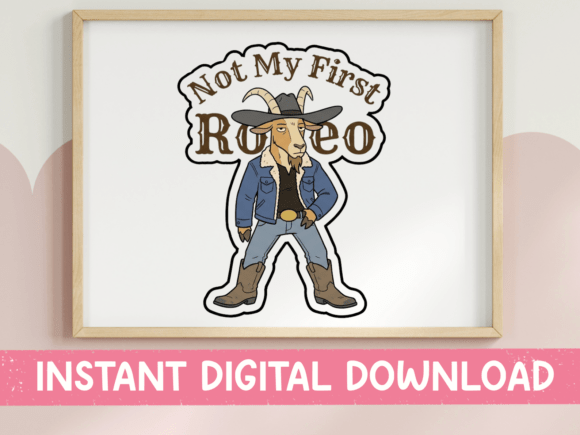
The first thing I noticed about Not My First Rodeo Cowboy Goat is its visual confidence. The goat is clearly the star, portrayed as a tough, no-nonsense cowboy with a black hat, denim jacket, blue jeans, and brown leather boots. It’s got that classic western feel, but with a twist—because it’s a goat, after all! The layout is well-balanced, with enough detail to make the character recognizable but not so intricate that it becomes overwhelming on fabric.
What stands out is the mood this design sets. It feels like a conversation starter. Whether it’s for a custom sweatshirt or a personalized baby gift, it adds a touch of lightheartedness and individuality. The theme is strong enough to anchor a project, yet versatile enough to work across different demographics—from kids to adults who appreciate a bit of dry humor.
Real-Life Use Scenarios and Visual Personality
I imagined using this design on a few common handmade items, such as tote bags and sweatshirts, and found it adapts surprisingly well. For example, when considering a custom embroidered tote bag, the cowboy goat’s posture and expression add a sense of movement and storytelling. It’s not just a logo; it’s a narrative piece that invites interaction from customers.
This design would also be great for sweatshirt embroidery. The scale is generous enough to allow for clear stitch definition, and the contrast between the dark hat and light denim helps the character pop visually. If you’re thinking about creating holiday gifts or boutique-style merchandise, the western humor here can set your product apart in a crowded market.
In a personalized baby item, like a onesie or sleeper, the playful nature of the goat could work if paired with softer colors or simplified outlines. However, keep in mind that very small sizes might lose some of the charm due to reduced detail visibility.
Where This Design Works Best
- Tote Bag Design: The larger surface area allows for full expression of the character, making it perfect for weekend bags or craft fair giveaways.
- Custom Apparel: Especially t-shirts and sweatshirts, where the design can serve as a central graphic or part of a layered look.
- Embroidered Patch: Ideal for adding a unique accent to jackets, backpacks, or denim vests.
- Boutique Branding: The western vibe makes it suitable for niche shops selling casual, Americana-themed apparel or accessories.
- Handmade Product Decor: Think aprons, pillow covers, or even kitchen towels for a quirky home décor element.
Performance in Real Embroidery Situations
When testing Not My First Rodeo Cowboy Goat on various fabrics, I found that it stitches cleanly on medium-weight cotton blends and linen, which are commonly used in craft business and Etsy projects. The use of multiple thread colors (especially the denim and leather tones) gives the design depth and visual interest without being too demanding for most embroidery machines.
One of the key strengths of this machine embroidery design is its ability to maintain clarity even when stitched at a moderate size. The facial features and hat details remain distinct, which is crucial for ensuring the design doesn’t lose its personality on finished products.
For digital embroidery file users, the design is easy to place and scale within software like Wilcom or Hatch. Its structured layout makes it ideal for positioning as a focal point, and the vector-like elements translate well into stitch paths.
Stitch Clarity and Fabric Compatibility
While the design looks fantastic in print, translating it into thread requires attention to a few factors:
- Thread Color Contrast: Make sure the background fabric complements the thread palette. On lighter shades, the denim and leather tones really stand out, while on darker fabrics, consider adjusting the color scheme or using white threads for highlights.
- Stabilizer Choice: Because of the mix of satin and fill stitches, especially around the face and clothing details, a cutaway stabilizer works best for stretchy or thin materials. For sturdier fabrics like canvas or denim, tear-away may suffice.
- Hoop Size: Though not specified, I recommend checking the recommended hoop size before starting a large production run. For tote bags or sweatshirts, a 6x10 hoop should comfortably accommodate the design, allowing room for seam allowances and placement adjustments.
- Stitch Density: The design uses a good balance of dense areas (like the face and hat) and open space (around the body). This helps reduce bulk while still maintaining definition, which is important for comfort in wearable items.
Where to Use With Caution
Despite its versatility, there are a few scenarios where Not My First Rodeo Cowboy Goat needs careful handling:
- Small Hoop Sizes: The level of detail may get lost if forced into a tiny hoop. Always test scaling options before finalizing a project.
- Textured or Stretchy Fabrics: These can distort the fine lines and expressions, especially in the facial area. Stick to stable, non-stretch bases unless you plan to stabilize thoroughly.
- Dark Fabric Backgrounds: Without proper thread contrast, the design can become flat and less engaging. Consider using metallic or white accents to enhance visibility.
- Curved Surfaces: Embroidering on caps or curved surfaces will require extra care in positioning and tension control to avoid puckering.
- Frequent Washing: If you're planning to sell this as part of small shop product line, ensure the design is stitched on durable fabric and tested for washability to prevent fraying or loosening over time.
Design Integrity and Detail Inspection
After running a few test stitches, I noticed that the smallest elements—like the eyes and the brim of the hat—are delicate and may need reinforcement depending on the machine and settings used. When working with clients or preparing design assets for resale, it’s essential to inspect these corners closely and possibly add a bit of running stitch or outline for better durability.
If you’re using this for commercial embroidery, also check whether the design includes licensing information. Since the original description does not mention license terms, confirm they are included before using it in digital product previews or selling finished goods online.
Impact on Product Value and Customer Engagement
What really matters to us as embroidery designers and handmade shop owners is how a design elevates our product offerings. Not My First Rodeo Cowboy Goat does just that. Its visual appeal and thematic consistency help increase perceived value, making it a standout choice for personalized gifts or holiday embroidery.
Customers tend to connect more with characters than with abstract logos. This design offers that emotional hook—especially for those with a love for western culture or a sense of humor. It builds brand recognition subtly, and its distinctive style makes it memorable, which is invaluable for Etsy sellers and craft business owners looking to stand out in their niche.
From a professional standpoint, the design contributes to a polished, handmade product aesthetic. It fits well into collections that blend whimsy with quality craftsmanship. Whether you're targeting a boutique audience or crafting giftable items, this design has the potential to elevate your presentation and customer satisfaction.
Designer Notes and Best Practices
Before committing to a batch of embroidered patches or t-shirt designs, I recommend following these steps to ensure the best outcome:
- Test the design on scrap fabric first to evaluate how thread colors interact with your chosen material.
- Review stitch density in critical areas—especially the face and hat—to prevent excessive bulk or distortion.
- Confirm the recommended hoop size if available, or adjust carefully based on your machine's capabilities.
- Inspect small details under magnification to ensure they hold up during stitching.
- Use printable mockups to visualize how the design looks on different garment types and colorways before producing physical samples.
- Compare how it appears on both light and dark fabric backgrounds to understand its adaptability.
- Always use appropriate stabilizer to maintain shape and stitch integrity, especially on stretchy or thin materials.
Final Thoughts for Creative Entrepreneurs
Not My First Rodeo Cowboy Goat is a fun, character-rich design that adds a touch of personality to any embroidery project. While it’s not suited for every application—particularly high-wear items or extremely small formats—it excels in mid-sized, expressive pieces where storytelling and charm matter.
Whether you're a hobbyist looking for a new embroidery project or a small business owner aiming to boost your product line, this design can offer a unique angle. Just remember to treat it with the same care and consideration you would give to any detailed graphics—and you’ll end up with a finished product that customers will love.