Howdy-Go-Lucky Western St. Patrick’s Day Design Review
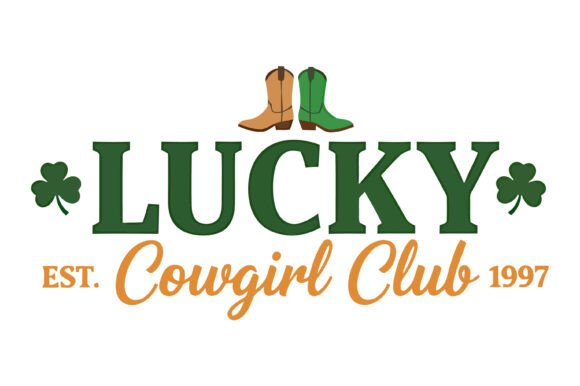
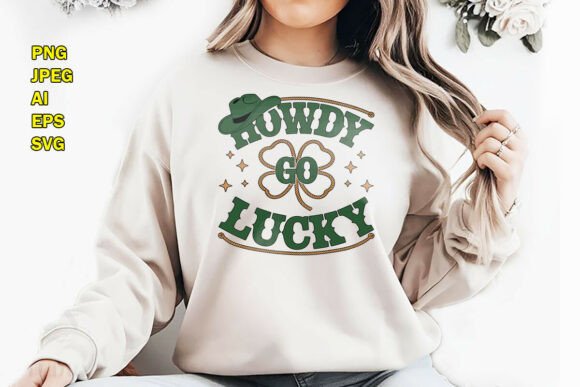
As a designer who regularly works with machine embroidery files, I always approach new designs with a mix of curiosity and practicality. When I first laid eyes on Howdy-go-lucky-western-st-patrick s-day, I knew it was a festive design that would stand out in the right project. It blends western charm with St. Patrick’s Day cheer through its lucky clover motif and vintage typography — a combination that feels both nostalgic and timely.
Aesthetic First Impressions: Mood and Visual Personality
The moment you open this machine embroidery design, you’re greeted by a bold, stylized layout that exudes personality. The use of vintage fonts gives it a handcrafted feel, while the lucky clover adds a pop of whimsy perfect for seasonal or themed projects. The design strikes a balance between simplicity and detail — enough to catch the eye without overwhelming the fabric or viewer.
What stands out is how well the western elements are integrated into the overall theme. The font style has that classic “cowboy” flair, which makes it ideal for custom apparel like denim jackets, hats, or even embroidered patches for boots. The clover, though small in proportion, is cleverly placed so it complements rather than competes with the text. This kind of thoughtful composition is rare in many graphics labeled as embroidery files, especially those aimed at multiple holidays or themes.
Real-Life Application: Custom Apparel and More
I recently considered using Howdy-go-lucky-western-st-patrick s-day for a batch of personalized sweatshirts intended for a boutique’s St. Patrick’s Day collection. The design fits perfectly into that niche — it’s not too loud but still festive, and the western angle allows it to appeal beyond just the holiday crowd. It could easily be adapted for tote bags, aprons, or even decorative pillows if paired with the right stitch types.
For sweatshirt embroidery, the design’s layout allows for good visibility from a distance. The text remains legible when scaled up, and the clover adds a subtle detail that elevates the look. If you're aiming for a handmade product with a touch of humor or heritage, this one nails it.
Thread Color and Fabric Considerations
While thread colors aren’t specified, I recommend testing a few color combinations before committing. A green lucky clover might work well on a white t-shirt, but on darker fabrics like navy or black, it may require a more contrasting thread palette. Also, keep in mind that the vintage-style lettering relies heavily on satiny outlines and smooth fill stitches. If your fabric is textured or stretchy, those lines can distort slightly unless properly stabilized.
When working with thin or delicate materials, such as cotton tees or linen tote bags, adjust stitch density to avoid puckering. On thicker fabrics like felt or canvas, the same file will hold up better and allow for a more robust embroidered patch effect.
Where This Design Shines and Where to Be Cautious
Howdy-go-lucky-western-st-patrick s-day is most effective on flat, medium-weight fabrics where the design can lie flush against the surface. It works beautifully for tote bag designs, custom apparel, and even nursery decor if you tone down the colors and scale appropriately. Its cheerful yet rugged vibe makes it a great fit for craft business owners looking to offer something unique for springtime events or cowboy-themed celebrations.
However, be cautious when using it on curved surfaces like caps or hats. The curvature of these items can cause distortion in the vintage typography, especially in the corners or smaller letters. Similarly, if you're planning to use this on baby clothes or other garments that undergo frequent washing, consider the durability of the stitch types used. High-density areas might need extra reinforcement or a heavier stabilizer to prevent fraying over time.
Design Clarity and Stitch Execution
In terms of stitch clarity, the design holds up reasonably well across different scales. The main phrase is bold and clear, making it suitable for larger projects like blankets or pillow covers. But the tiny details in the clover and the flourishes of the lettering can become tricky if you're scaling down significantly. For smaller hoop sizes, simplify the design or focus only on the central text.
I also noticed that the file lacks specific stitch count information, which means you’ll need to evaluate based on your own setup. That said, the overall structure doesn’t seem overly complex, so it should run smoothly on most modern embroidery machines — provided you’ve tested it beforehand.
Customer Reactions and Marketability
From an Etsy seller or handmade shop owner’s perspective, this design has strong visual appeal. Customers love when their personalized gifts or custom apparel have character, and Howdy-go-lucky-western-st-patrick s-day delivers just that. It’s versatile enough to be rebranded for different audiences — cowgirls, rodeo fans, or even as part of a holiday gift line-up.
If you're targeting a craft fair or small shop product lineup, this design could be used in printable mockups or digital previews to showcase what finished products might look like. The western and festive blend is a winning combo for early spring sales or themed collections.
That being said, the design's charm is best appreciated on high-quality, finished products. Avoid using it on items that don’t allow for proper presentation, such as low-grade fabric or poorly constructed garments. Otherwise, it risks looking less professional and could impact customer trust and product value.
Designer Notes for Real Projects
- Test on scrap fabric before stitching final pieces — especially if you plan to scale it down for patches or baby items.
- Check thread color contrast to ensure the design pops on your chosen background. Lighter clovers on dark shirts might need additional fill stitches for visibility.
- Review stitch density for each section of the design. Areas with tight curves or small text might need adjustments to avoid distortion or breakage.
- Confirm the required hoop size for your machine. While no exact numbers are given, it’s safe to assume it needs at least a mid-size hoop for full visibility.
- Inspect the design assets closely for any hidden details or overlapping elements that might affect stitch flow.
- Consider using a printable mockup to visualize how the design looks on different products before production runs.
- If you plan to sell the finished product or digital embroidery file, verify the licensing terms to ensure compliance.
Best Use Cases
- Tote Bag Designs: The layout is wide and centered, making it ideal for front pocket or center chest embroidery.
- Holiday Embroidery: Perfect for St. Patrick’s Day, but can be repurposed for other western-themed events with minor tweaks.
- Boutique Branding: Offers a unique aesthetic that aligns with rustic, casual, or Americana-style shops.
- Gift Items: Looks great on aprons, tea towels, or decorative pillows — especially for customers who appreciate quirky, thematic gifts.
Final Thoughts on Howdy-go-lucky-western-st-patrick s-day
Overall, Howdy-go-lucky-western-st-patrick s-day is a fun and stylish addition to your embroidery project arsenal. It brings a fresh twist to a classic holiday theme and offers enough versatility to work across various commercial embroidery applications. However, like all embroidery files, its success depends on careful execution and thoughtful placement.
This isn’t a one-size-fits-all graphic, but with some tweaking and testing, it can become a standout piece in your design assets library. Whether you're a hobbyist looking to make a personalized gift or a creative entrepreneur building a seasonal collection, this design deserves a place in your next project — just make sure you know how it behaves on your fabric of choice.