Baseball Cowboy Hat Western Mascot Embroidery Design Review
First Impressions and Visual Personality
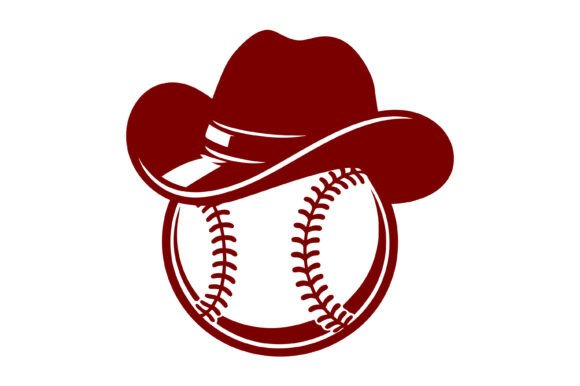
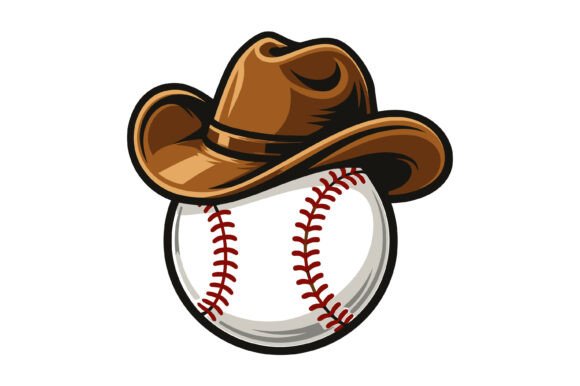
The Baseball Cowboy Hat Western Mascot design immediately grabs attention with its bold, stylized imagery that blends two iconic American themes—sports and the Wild West. The baseball mascot is cleverly fused with a cowboy aesthetic, featuring a stylized hat with stitched details that suggest motion and tradition. This fusion creates a fun, nostalgic vibe perfect for casual apparel or themed merchandise.Real-World Application: Custom Tote Bag Project
Let me walk you through a practical use case I recently considered—a custom embroidered tote bag for a local boutique specializing in Texas-themed products. The Baseball Cowboy Hat Western Mascot design was a natural fit for this project. The design has enough character to stand out on a larger surface like a tote while still maintaining clarity at a distance. It felt like it could be a signature item for their shop—something customers would recognize and associate with the brand’s personality. In short, it worked well as a tote bag design that balances style and function.Performance Across Different Embroidery Projects
- Sweatshirt Embroidery: On a pullover sweatshirt, the mascot looked great centered on the chest. The stitch density was just right for a soft, stretchy knit fabric, allowing for flexibility without puckering.
- T-Shirt Designs: When placed lower on a crewneck t-shirt, the mascot became a subtle yet eye-catching feature. Its graphic nature made it feel modern, fitting well within a craft business line-up.
- Embroidered Patch: As a patch, the design had enough structure to remain recognizable even after trimming excess threads. The EPS and AI files were useful for resizing and reworking the shape for specific applications.
- Apron Branding: Used on a denim apron for a small western-themed café, the mascot added charm and identity. The JPEG file was handy for showing the client a realistic preview before stitching.
- Holiday Gift Embellishment: Stamped onto a pillowcase for a Christmas gift, the mascot brought a festive touch. The transparent PNG helped create a printable mockup that accurately reflected how it would look in a home setting.
Where to Use It Carefully
Despite its versatility, there are situations where the Baseball Cowboy Hat Western Mascot might not perform as expected:- Small Hoop Sizes: The mascot is fairly large in scale. If your project requires a smaller footprint, consider editing the design to remove non-essential elements or scaling it down carefully to maintain stitch integrity.
- Textured or Stretchy Fabrics: The design’s fine lines and detailed features may lose definition on stretch knits or fabrics with texture. Always test on a scrap swatch first.
- Dark Fabric Backgrounds: While the mascot works well on light tones, dark backgrounds may require adjusting thread colors for visibility. The included JPEG and PNG files are helpful for planning these changes.
- Curved Surfaces: When used on caps or curved patches, some distortion may occur. You’ll need to adjust the placement and possibly reshape the design slightly to match the contour.
- Products Requiring Frequent Washing: Dense stitch areas could pill over time, especially if low-quality thread or insufficient stabilizer is used. Make sure to choose durable materials and reinforce key parts of the design.
Impact on Product Value and Customer Perception
What stood out during my evaluation was how the Baseball Cowboy Hat Western Mascot elevates the perceived value of the finished product. Whether applied to a personalized baby item or a commercial small shop product, it adds a unique twist that sets it apart from generic designs. Customers tend to respond positively to mascots that tell a story or evoke a feeling. This one does both. It suggests fun, nostalgia, and a bit of rebellion—perfect for a holiday gift or a craft fair product. The design also supports brand consistency by reinforcing a cohesive visual language across multiple items, such as tea towels, blanket labels, or nursery decor. However, the design’s effectiveness depends heavily on execution. Poor thread choice, incorrect stabilizer, or improper hoop tension can dull its impact. As a designer, I always advise testing on similar fabric types before committing to a full run. For commercial embroidery purposes, ensure the final product maintains a professional finish to uphold customer trust and buyer engagement.Designer Notes for Practical Use
Here are a few tips I’d pass along to fellow embroidery designers and Etsy sellers considering this design for their next project:Test First: Before stitching on actual merchandise, run a trial on scrap fabric matching your intended material. Check for stitch behavior, especially in tight corners and high-density areas.
Thread Contrast: The design includes several thread colors, which is great for visual interest, but make sure they’re visible against your chosen fabric. Sometimes, swapping one or two colors can significantly improve the final look.
Stabilizer Matters: Depending on your fabric, use a cutaway or tear-away stabilizer to prevent distortion. Especially important for stretchy or thin materials.
Scale Thoughtfully: Don’t force the design into a space too small for it. Resizing without proper adjustments can lead to lost details and uneven stitch coverage.
Mockup Previews: Use the included PDF and PNG files to create printable mockups for clients or listings. These help manage expectations and highlight the design’s potential in context.
Licensing Confirmation: Since this is a digital embroidery file, always verify licensing terms before using it in commercial projects. Some designs restrict resale of the finished product, so check before selling items or digital assets.